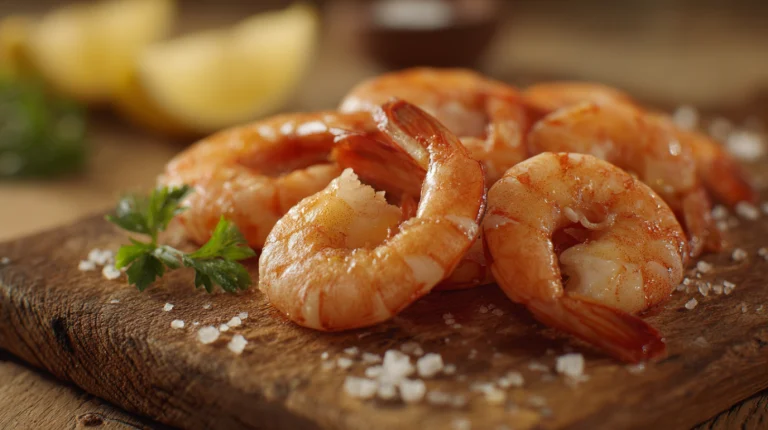
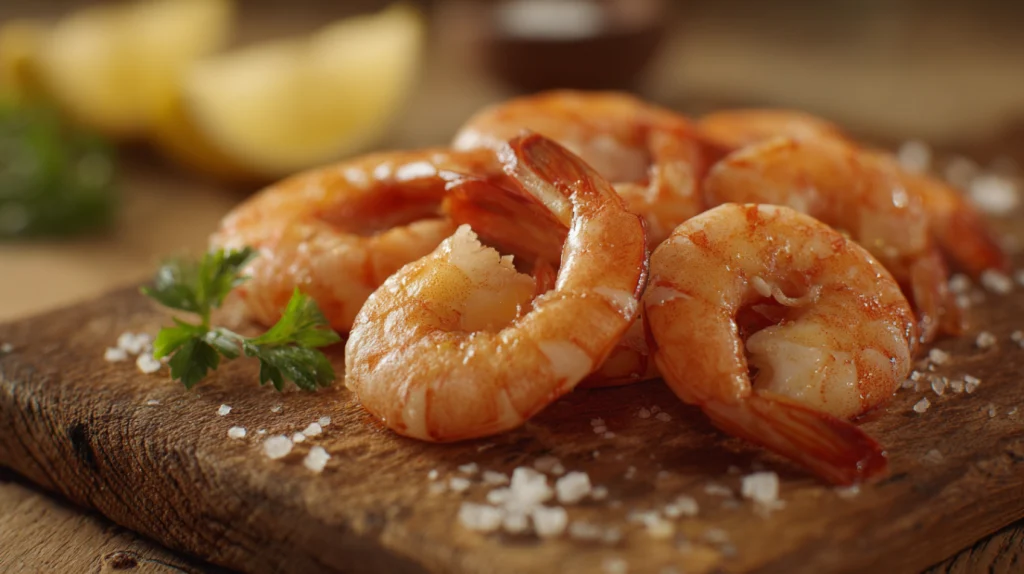


Great Value Frozen Cooked Medium Peeled & Deveined Tail-on Shrimp, 12 oz Bag (41-60 Count per lb), Contains Shellfish
- Frozen Cooked Medium Peeled and Deveined Tail-On Shrimp, 12 oz:
- Cooked shrimp; thaw and serve
- Farm raised
- Lean source of protein
- Best Aquaculture Practices 4 star certified
- Frozen
- 41 to 60 shrimp per lb or 30-45 per bag
- Sweet and firm
- Medium cooked shrimp for salads, pastas, appetizers and more
- Good for healthy diets
- Easy to hold and dip into a sauce
$5.47
Navigate the Seafood Aisle Like a Pro and Transform Your Meals with Budget-Friendly Shrimp
As I stood in the frozen seafood aisle of Walmart last weekend, staring at the various shrimp options, I realized something: buying shrimp shouldn’t be this complicated. For years, I’ve been experimenting with Great Value shrimp for my family meals, and I’ve learned enough to write a small book about it—which is essentially what I’m doing today.
Whether you’re a budget-conscious home cook, a seafood enthusiast, or simply someone looking to add more protein to your diet, Great Value shrimp offers an affordable option without sacrificing quality. But with so many varieties, sizes, and preparation methods, how do you know which one to choose for your specific needs?
Let me walk you through everything I’ve discovered about this budget-friendly seafood option, from what’s actually in the package to how it compares to pricier alternatives. By the end of this guide, you’ll be navigating the frozen seafood section with the confidence of a seasoned chef.
What Exactly Are You Getting in That Bag?
The first question that crossed my mind when I initially purchased Great Value shrimp was simple: what am I actually buying? Great Value shrimp contains, well, shrimp—but there’s more to it than that.
The ingredients list on most Great Value shrimp packages is refreshingly short. The primary ingredient is shrimp, of course, but depending on the variety, you might also see salt, sodium tripolyphosphate (a preservative that helps retain moisture), and sometimes citric acid. The raw, unbreaded varieties typically have the cleanest ingredient lists.
If you opt for one of their seasoned or breaded options, you’ll find additional ingredients like breadcrumbs, various seasonings, and sometimes sugar or modified food starch. Always check the package for the complete list if you have specific dietary concerns.
I’ve found that the simplest varieties—the plain, frozen raw shrimp—give me the most flexibility in the kitchen. They’re like a blank canvas that I can season and prepare according to whatever recipe I’m following that night.
Farm-Raised vs. Wild-Caught: The Origin Story
One evening while preparing dinner, my daughter asked where the shrimp in our stir-fry came from. This innocent question sent me down a rabbit hole of seafood sourcing research.
Great Value shrimp is predominantly farm-raised, typically in countries like Indonesia, Thailand, Vietnam, and India. This information is usually clearly labeled on the packaging. Farm-raised shrimp tends to be more affordable and consistently available year-round, which explains the budget-friendly price point of Great Value offerings.
While some seafood enthusiasts swear by wild-caught varieties for their more pronounced flavor profile, farm-raised shrimp has come a long way in terms of quality and sustainability practices. The farming methods used for Great Value shrimp have improved over the years, though they don’t typically carry the highest-tier sustainability certifications that you might find on premium brands.
If sustainable seafood sourcing is a priority for you, look for packages that mention responsible aquaculture practices or certifications. However, be aware that the most rigorous sustainability certifications are usually found on higher-priced brands.
Breaking Down the Cost: Is It Really a Value?
Let’s talk dollars and cents—after all, “Value” is literally in the name. In my experience shopping at various Walmart locations across the country, Great Value shrimp is indeed competitively priced compared to other brands.
As of my last shopping trip, a 12-ounce bag of medium-sized, peeled and deveined Great Value shrimp was priced around $6.97, which works out to about $9.29 per pound. This is significantly lower than many competing brands, which can run $12-15 per pound or more for comparable products.
The price varies based on:
- Size of the shrimp (larger shrimp command higher prices)
- Whether they’re raw or pre-cooked
- Preparation style (plain, breaded, seasoned)
- Whether they’re peeled and deveined
I’ve found that the raw, unpeeled varieties offer the most value per pound, though they require more preparation time. For busy weeknights, I often justify spending a bit more for the convenience of peeled and deveined options.
When comparing cost to quality, Great Value consistently delivers a solid middle-ground. You’re not getting the absolute premium product that you might find at a specialty seafood counter, but you’re getting perfectly respectable shrimp that works well in a wide variety of dishes.
Availability: Where to Find Your Shrimp Fix
This one’s straightforward—Great Value is Walmart’s store brand, so Walmart stores are the primary place to purchase these products. You’ll find them in the frozen seafood section, usually in a dedicated freezer case.
I’ve noticed that not all Walmart locations carry the full range of Great Value shrimp options. Smaller stores might only stock the most popular varieties, while Supercenters typically offer a wider selection. If you’re looking for a specific variety, it might be worth checking the Walmart app or website before making a special trip.
In addition to in-store shopping, Great Value shrimp is available through Walmart’s online grocery service, which offers pickup and delivery options in many areas. I’ve used this service multiple times and found the frozen shrimp arrives in good condition, still thoroughly frozen.
Occasionally, I’ve spotted Great Value shrimp at other retailers that carry Walmart brands, but this is less common. If Walmart isn’t convenient for you, other store brands like Kroger’s Private Selection or Target’s Good & Gather offer similar products at comparable price points.
Ready to Cook or Ready to Eat?
One of the most important distinctions when shopping for Great Value shrimp is whether you’re buying raw or pre-cooked products. Both have their place in your culinary arsenal, but they serve different purposes.
The raw varieties come in various forms—shell-on, peeled but with tail on, or completely peeled and deveined. These provide the most flexibility in cooking methods and flavor development. I prefer raw shrimp for stir-fries, pasta dishes, and grilling, as I can control the cooking process and avoid the rubbery texture that can result from overcooking.
The pre-cooked options (which typically have a pink color right out of the package) are convenient for cold preparations like shrimp cocktail or quick additions to salads and pasta. They require minimal preparation—just thaw and serve, or briefly heat them through. Be careful not to cook pre-cooked shrimp for too long, as they’ll quickly become tough and chewy.
The key to success with either type is understanding proper cooking techniques and timing. Shrimp cook incredibly quickly—usually just 2-3 minutes per side for raw shrimp—and continue cooking even after removed from heat. This leads me to the next important topic…
Mastering the Art of Shrimp Cooking
Over my years of cooking with Great Value shrimp, I’ve developed a set of guidelines that consistently deliver delicious results. The cooking instructions on the package are a good starting point, but I’ve found some additional tricks that elevate the final dish.
For raw, frozen shrimp, you have two main thawing options:
- Refrigerator thawing: Place the sealed package in the refrigerator for 24 hours. This gentle method produces the best texture but requires advance planning.
- Quick thawing: Place sealed shrimp in a bowl of cold water for 30-45 minutes, changing the water every 15 minutes. Never use hot water, as it can begin cooking the shrimp unevenly and promote bacterial growth.
When it comes to cooking methods, Great Value shrimp is remarkably versatile:
For sautéing or stir-frying, I heat a pan over medium-high heat with a bit of oil, then cook the shrimp for about 2 minutes per side until they turn pink and opaque. A squeeze of lemon juice, some minced garlic, and a handful of fresh herbs transform them into a gourmet treat.
For boiling (perfect for shrimp cocktail), I bring a pot of well-salted water to a boil, add the shrimp, and cook just until they curl and turn pink—usually 2-3 minutes. Then I immediately plunge them into an ice bath to stop the cooking process.
For grilling, I typically use larger shrimp, thread them onto skewers (after marinating for about 30 minutes), and grill over medium-high heat for about 2 minutes per side. The slight char adds another dimension of flavor that’s impossible to achieve with other cooking methods.
For fried preparations, the breaded Great Value shrimp varieties work wonderfully. Just follow the package instructions, which typically involve baking in a preheated oven or air-frying until golden and crisp.
Regardless of the cooking method, the cardinal rule remains: do not overcook. The perfect shrimp should be pink, opaque, and just firm to the touch—when they curl into a loose “C” shape, they’re done. If they curl into a tight “O,” they’ve gone too far.
Shell Game: Peeled, Deveined, and Tail Talk
During a dinner party last summer, I watched a friend struggle awkwardly with shrimp that still had shells and tails intact. That’s when I realized how important the preparation state of shrimp can be, especially for certain dining situations.
Great Value offers several preparation options:
- Shell-on (least processed, often with heads removed)
- EZ-peel (shell split and deveined but still requiring removal)
- Peeled with tail on (most common for many recipes)
- Completely peeled and deveined (most convenient but sometimes slightly higher priced)
Each has its place in the kitchen. Shell-on shrimp tend to have better flavor when cooked, as the shell protects the delicate meat and contains compounds that enhance taste. I use these when making stock or for dramatic presentation dishes.
The EZ-peel variety offers a middle ground—easier to peel than completely shell-on, but still providing some of the flavor benefits. These are my go-to for boiling when I want to make shrimp cocktail.
Peeled with tail-on shrimp are perfect for dishes where you want guests to use the tail as a handle—appetizers, shrimp cocktail, or casual finger foods. The tail also adds visual appeal to the presentation.
Completely peeled and deveined shrimp offer maximum convenience. No preparation is required beyond thawing, making them ideal for quick weeknight meals or for dishes where you don’t want guests struggling with shells at the table.
The “deveined” designation means that the dark intestinal tract has been removed from the back of the shrimp. This isn’t necessary from a food safety perspective, but it improves appearance and, for some people, palatability. All Great Value peeled shrimp are deveined, which saves you this somewhat tedious step.
Size Matters: Decoding Shrimp Measurements
I used to be confused by shrimp sizing until a seafood counter employee explained the system to me. Great Value shrimp, like most brands, uses a numerical sizing system that refers to the approximate number of shrimp per pound.
Common Great Value size designations include:
- Extra Large (26/30 per pound)
- Large (31/40 per pound)
- Medium (41/50 per pound)
- Small (51/60 per pound)
Counter-intuitively, the smaller the number, the larger the shrimp. So “26/30” means you get approximately 26 to 30 shrimp per pound—making them larger than “41/50” shrimp, where you get 41 to 50 per pound.
Size selection should be based on your intended use. For elegant appetizers or showcase dishes like grilled shrimp skewers, I go with extra large or large. For pasta dishes, stir-fries, or soups where the shrimp is just one component, medium or small shrimp work perfectly fine and offer better value.
I’ve found that medium shrimp (41/50) offer the best balance between price and versatility for everyday cooking. They’re large enough to make an impression but small enough to cook quickly and evenly.
Dietary Considerations: Gluten, Allergens, and Nutrition
When my nephew developed a gluten sensitivity, I became much more vigilant about checking ingredients. Plain Great Value shrimp—both raw and cooked varieties without breading or seasoning—are naturally gluten-free. However, the breaded options do contain gluten, so be sure to check labels if this is a concern.
As for allergens, shrimp itself is obviously a major allergen. In fact, shellfish allergy is one of the most common food allergies, affecting approximately 2% of the population. Great Value clearly labels their products with allergen information, but be aware that their shrimp is processed in facilities that may also process other shellfish.
Nutritionally, Great Value shrimp is similar to any other shrimp product. It’s an excellent source of lean protein, providing approximately 20 grams of protein per 3-ounce serving, with only about 85 calories. Shrimp also provides selenium, vitamin B12, phosphorus, and small amounts of omega-3 fatty acids.
The sodium content varies by product. Plain raw shrimp naturally contains minimal sodium, but many processed varieties have added salt or sodium-containing preservatives. The pre-cooked and seasoned varieties typically have higher sodium levels, sometimes reaching 300-400mg per serving. If you’re watching your sodium intake, opt for the raw, unseasoned varieties and add your own seasonings.
Brand Comparison: How Does Great Value Stack Up?
I’ve tried numerous shrimp brands over the years, from budget options to premium choices. While there are noticeable differences, the gap isn’t as wide as the price differential might suggest.
Compared to premium brands like SeaPak or private-label premium lines like Kirkland Signature (Costco), Great Value shrimp is generally:
- More affordable (often by 20-30%)
- Slightly less consistent in size within the package
- Comparable in base flavor, though sometimes with a slightly milder taste
- Less likely to have sustainability certifications
- Similarly versatile in cooking applications
When prepared properly, Great Value shrimp can easily hold its own against more expensive competitors in most everyday recipes. The differences become more apparent in very simple preparations where the shrimp is the star, like shrimp cocktail or lightly seasoned grilled shrimp.
For dishes with stronger flavors or multiple components—like gumbo, pasta with shrimp, or heavily seasoned preparations—even discerning palates would be hard-pressed to identify which brand was used.
Freezer Life: How Long Will It Last?
One Saturday morning, I discovered a package of shrimp buried in the back of my freezer with a best-by date from eight months prior. This raised the question: how long can frozen shrimp really last?
According to food safety guidelines, commercially frozen shrimp like Great Value products can maintain their quality for about 9-12 months in a properly maintained freezer (0°F or below). Beyond this timeframe, the shrimp remains safe to eat, but quality deteriorates—texture can become mealy, and flavor diminishes.
For best results, I try to use frozen shrimp within 6 months of purchase. I’ve found that proper storage makes a significant difference in maintaining quality:
- Keep shrimp in the coldest part of your freezer, not in the door where temperatures fluctuate
- Ensure packages are tightly sealed to prevent freezer burn
- If the original packaging is damaged, rewrap the shrimp in freezer-safe materials or containers
Once thawed, raw shrimp should be used within 1-2 days, while thawed pre-cooked shrimp can last 3-4 days in the refrigerator. Never refreeze thawed raw shrimp, as this can compromise both safety and quality.
Versatility in the Kitchen: Beyond the Basics
What I love most about Great Value shrimp is its chameleon-like ability to adapt to virtually any cuisine or cooking method. During my years of experimentation, I’ve used it in dishes ranging from traditional Southern shrimp and grits to Thai-inspired coconut curry.
For grilling, the larger raw varieties work best. I marinate them in olive oil, lemon juice, garlic, and herbs for about 30 minutes (not longer, as the acid can begin “cooking” the shrimp), then thread them onto skewers for easy handling. About 2 minutes per side over medium-high heat yields perfect results—slightly charred exterior with a juicy, tender interior.
For frying, both the raw and breaded varieties perform well. The pre-breaded options offer convenience, while starting with raw allows you to create your own coating—my personal favorite is a light dusting of cornstarch seasoned with a pinch of cayenne, which creates a delicately crispy exterior when flash-fried.
For boiling, I prefer shell-on or EZ-peel varieties, as they retain more flavor during the brief cooking process. A quick 2-3 minute dip in boiling water seasoned with lemon halves, bay leaves, and peppercorns creates the perfect foundation for shrimp cocktail or cold seafood salads.
For everyday cooking, the peeled and deveined raw shrimp are my workhorse. They transition effortlessly from stir-fries to pasta dishes to quick skillet meals. I keep at least one package in my freezer at all times for those evenings when I need a quick protein option.
Flavor Varieties: Beyond Plain Shrimp
While I typically opt for the plain varieties and add my own seasonings, Great Value does offer several pre-seasoned and specialty options that deserve mention.
Their butterfly breaded shrimp has become a family favorite for casual Friday dinners. The breading is light enough to crisp up nicely in the oven or air fryer without overwhelming the shrimp flavor. I serve these with a simple sriracha mayo for dipping and a side salad for a meal that feels indulgent but comes together in minutes.
The popcorn shrimp variety is particularly popular with my kids and their friends. These bite-sized morsels cook quickly and make perfect finger food for casual gatherings or after-school snacks. While not gourmet by any stretch, they serve their purpose admirably when you need a crowd-pleasing seafood option.
For those looking for pre-seasoned options, Great Value occasionally offers garlic butter or cajun-style varieties. These can be convenient time-savers, though I find the seasoning tends to be somewhat mild. I often enhance these with additional fresh herbs or spices to bring them to life.
What I haven’t seen from Great Value are the more exotic preparations like coconut shrimp or tempura-style that some premium brands offer. For these specialty items, you might need to look to brands like SeaPak or prepare them from scratch using the plain raw shrimp as your base.
A Note on Allergens and Special Dietary Needs
Food allergies are no joke, especially when it comes to shellfish. Shrimp is one of the “Big Eight” allergens that must be clearly declared on food labels, and Great Value packaging complies with these regulations.
Beyond the obvious shellfish allergen, some Great Value shrimp products may contain other potential allergens in their seasonings or breading. Common additional allergens include:
- Wheat (in breaded varieties)
- Milk derivatives (in some seasoned varieties)
- Soy (in some flavored options)
The plain raw and cooked shrimp typically contain just shrimp and possibly preservatives, making them appropriate for most special diets except those that must avoid shellfish entirely.
For those following specific dietary protocols:
- Keto/Low-carb: Plain raw or cooked shrimp (without breading) are excellent options, with virtually zero carbohydrates
- Paleo: Look for raw shrimp without preservatives like sodium tripolyphosphate
- Gluten-free: Stick with unbreaded varieties and check labels for any additives that might contain gluten
Tail On or Off: The Great Debate
This might seem like a minor detail, but whether shrimp come with tails on or off can significantly impact both preparation and dining experience. Great Value offers both options, and each has its merits.
Tail-on shrimp provide several advantages:
- They have a more attractive presentation
- The tail serves as a convenient handle for finger foods
- Some believe the tail imparts additional flavor during cooking
Tail-off shrimp also have their benefits:
- They’re more convenient to eat in pasta, rice dishes, or any preparation requiring a fork
- No need for guests to deal with removing and disposing of tails
- More edible product by weight in the package
I keep both varieties on hand: tail-on for appetizers and showcase dishes, tail-off for pastas, stir-fries, and family-style meals where convenience trumps presentation.
Bulk Buying: Family-Size Options
As someone who occasionally hosts large gatherings, I’ve appreciated that Great Value offers larger package sizes in addition to their standard 12-ounce bags. These larger packages—typically 16-24 ounces—offer slightly better value per ounce and reduce packaging waste.
For even more significant savings, some Walmart locations carry Great Value shrimp in their frozen seafood cases, where you can purchase by weight rather than in pre-packaged portions. This option typically offers the best value but may not be available in all varieties or at all locations.
For the ultimate bulk purchase, consider the Great Value frozen shrimp ring—a pre-cooked, tail-on arrangement designed for parties. While not as flavorful as homemade shrimp cocktail, it’s a convenient option for casual gatherings and often more economical than preparing the equivalent amount from scratch.
Sustainability Considerations: A Complicated Picture
As consumers become increasingly conscious of the environmental impact of their food choices, seafood sustainability has rightfully gained attention. The reality of shrimp farming and harvesting is complex, with practices varying widely by region and producer.
Great Value shrimp, like most budget-friendly options, doesn’t typically carry the highest-tier sustainability certifications such as Marine Stewardship Council (MSC) or Aquaculture Stewardship Council (ASC) that you might find on premium brands. However, Walmart has made corporate commitments to improving the sustainability of their seafood supply chains over time.
For those deeply concerned about sustainability, the most transparent options are typically:
- Look for specific sustainability certifications on packaging
- Choose domestic U.S. shrimp when available, as U.S. fisheries and farms operate under stricter environmental regulations
- Consider alternative brands that prioritize sustainability as a core value, though these typically command premium prices
The reality for most consumers is balancing environmental concerns with budget constraints. Great Value represents a middle ground—not the most sustainable option available, but part of a supply chain with improving practices and commitments to future progress.
My Final Verdict: Is Great Value Shrimp Worth It?
After years of cooking with Great Value shrimp and comparing it to both cheaper and more expensive alternatives, I’ve developed a nuanced perspective on its place in the home kitchen.
For everyday cooking, family meals, and recipes where shrimp is one component among many, Great Value offers excellent value without compromising significantly on quality. The convenience, consistent availability, and variety of preparation options make it a practical choice for regular consumption.
For special occasions, showcase dishes, or when shrimp is the absolute star of the plate, I sometimes opt for premium brands or fresh shrimp from a trusted seafood counter. The difference is subtle but can be noticeable in very simple preparations.
What matters most, regardless of brand, is proper handling and cooking. Even the most expensive shrimp will disappoint if overcooked, while properly prepared Great Value shrimp can impress discerning guests.
My recommendation is to keep Great Value shrimp in your freezer rotation for its combination of quality, value, and versatility. Experiment with different varieties to find your personal preferences, and don’t be afraid to use it in sophisticated recipes—with the right technique and complementary ingredients, it can hold its own against much pricier alternatives.
Whether you’re making a quick weeknight stir-fry, preparing appetizers for unexpected guests, or creating a special family meal, Great Value shrimp provides a reliable foundation for seafood success without breaking the budget. And in today’s economy, that’s something we can all appreciate.